A Brief History of MALAWI
Welcome to Malawi, the Warm Heart of Africa. This beautiful country is renowned for its friendly and vibrant people, who are undoubtedly its greatest asset. Malawians are celebrated for their hospitality and warm spirit, making every visitor feel right at home. Discover Malawi invites you to explore, learn, and engage with a country that promises not just a visit, but a journey filled with unforgettable moments and genuine connections.
Malawi Overview
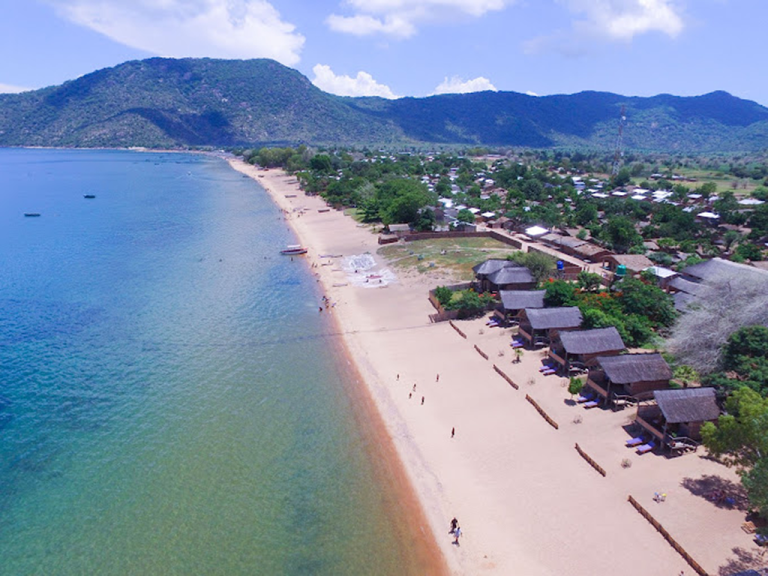
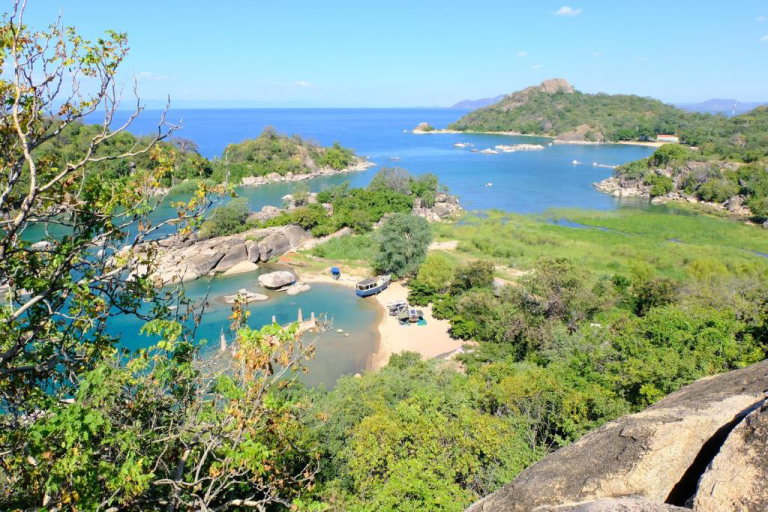
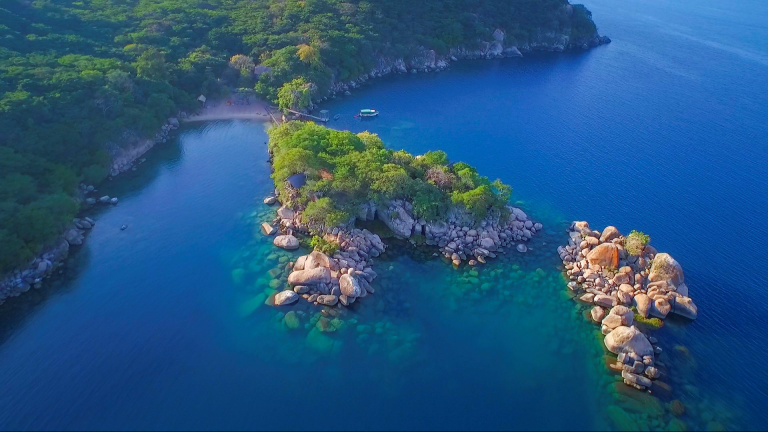
Malawi is a landlocked country located in southeastern Africa. It is bordered by Zambia to the northwest, Tanzania to the northeast, and Mozambique to the east, south, and west. One of the most prominent features of Malawi is Lake Malawi, also known as Lake Nyasa, which stretches along the country’s eastern border and is one of the largest and deepest lakes in Africa. The capital city of Malawi is Lilongwe, situated in the central region, while Blantyre, located in the southern part of the country, serves as its commercial and industrial hub. Malawi’s diverse landscapes range from highlands and plateaus to lush valleys and expansive lakeshores, making it a unique destination for travelers seeking both natural beauty and cultural richness.
Early History and The Maravi Empire
Early History and Settlement
Malawi’s history begins with the migration of Bantu-speaking peoples into the region around the 10th century AD. These early inhabitants were primarily agricultural communities who settled along the fertile lands of the Shire Valley and around Lake Malawi, one of Africa’s largest lakes. Over time, these groups formed complex societies and established various kingdoms and chiefdoms.
The Maravi Empire
One of the most significant early states was the Maravi Empire, which emerged in the late 15th century. The Maravi people, from whom the name “Malawi” is derived, established a powerful kingdom that controlled much of the region. The empire engaged in trade with the Portuguese and Swahili traders, exchanging goods such as gold, ivory, and iron.
Colonial Era
In the late 19th century, the area now known as Malawi came under British influence. A key figure during this period was Dr. David Livingstone, a Scottish missionary and explorer who arrived in the mid-19th century. Livingstone’s expeditions through Africa aimed to map uncharted territories, spread Christianity, and fight the slave trade. His travels took him through Malawi, and he was the first European (maybe not true) to see Lake Malawi in 1859, which he named Lake Nyasa.
Livingstone’s reports and advocacy were instrumental in drawing international attention to the region and highlighting the atrocities of the slave trade. His efforts helped pave the way for subsequent missionary activities and British colonial interest in the area. In 1891, the British established the British Central Africa Protectorate, which was later renamed Nyasaland in 1907. British colonial rule brought significant changes, including the introduction of cash crops such as tea, coffee, and tobacco, which became important economic staples.
Struggle for Independence
The push for independence gained momentum after World War II. Dr. Hastings Kamuzu Banda emerged as a prominent nationalist leader, advocating for self-rule. In 1958, he returned from abroad to lead the Nyasaland African Congress, which later became the Malawi Congress Party (MCP). The pressure for independence grew, culminating in widespread protests and civil disobedience.
On July 6, 1964, Nyasaland gained independence from British colonial rule and was renamed Malawi. Dr. Hastings Kamuzu Banda became the country’s first Prime Minister and later its President.
Post-Independence Era
Under Banda’s leadership, Malawi was declared a one-party state in 1966, with the MCP as the sole legal party. Banda’s rule was marked by authoritarianism, but also by efforts to modernize the country’s infrastructure and economy. However, his regime faced criticism for human rights abuses and lack of political freedom.
Transition to Democracy
In the early 1990s, internal and external pressures for political reform increased. In 1993, a national referendum resulted in a majority vote for a multi-party democracy. The following year, Malawi held its first multi-party elections, which ended Banda’s three-decade rule. Bakili Muluzi of the United Democratic Front (UDF) became the new president.
Recent History
Since the transition to democracy, Malawi has seen several peaceful transfers of power through democratic elections. Bingu wa Mutharika succeeded Muluzi in 2004, followed by Joyce Banda in 2012, Peter Mutharika in 2014, and Lazarus Chakwera in 2020.